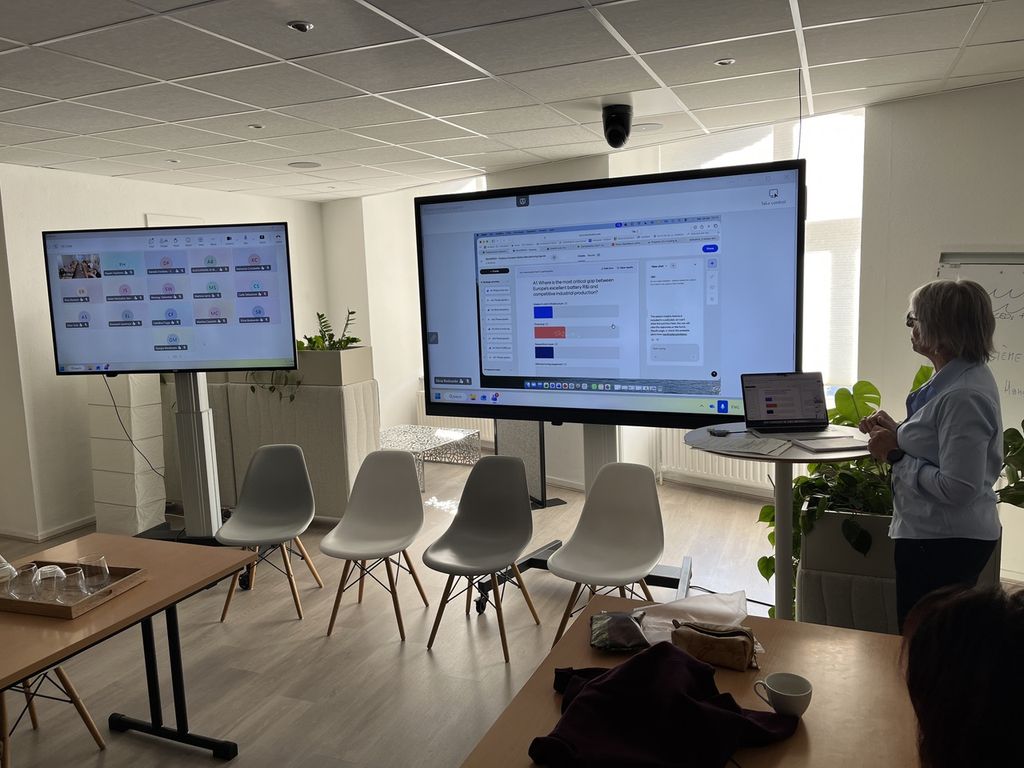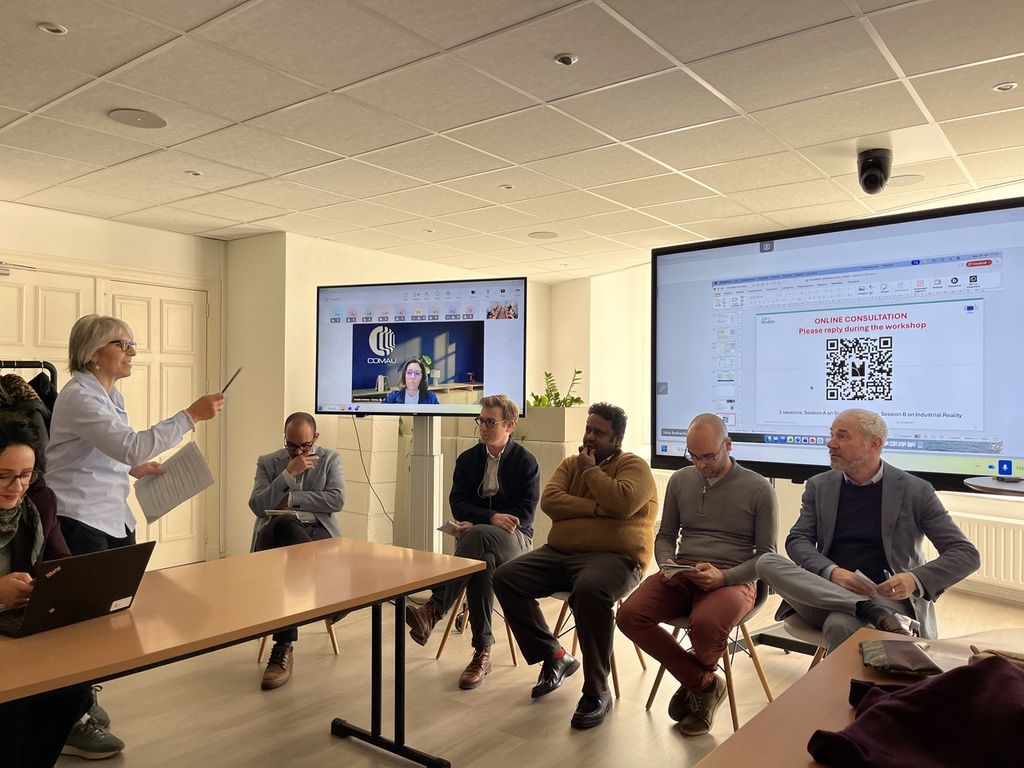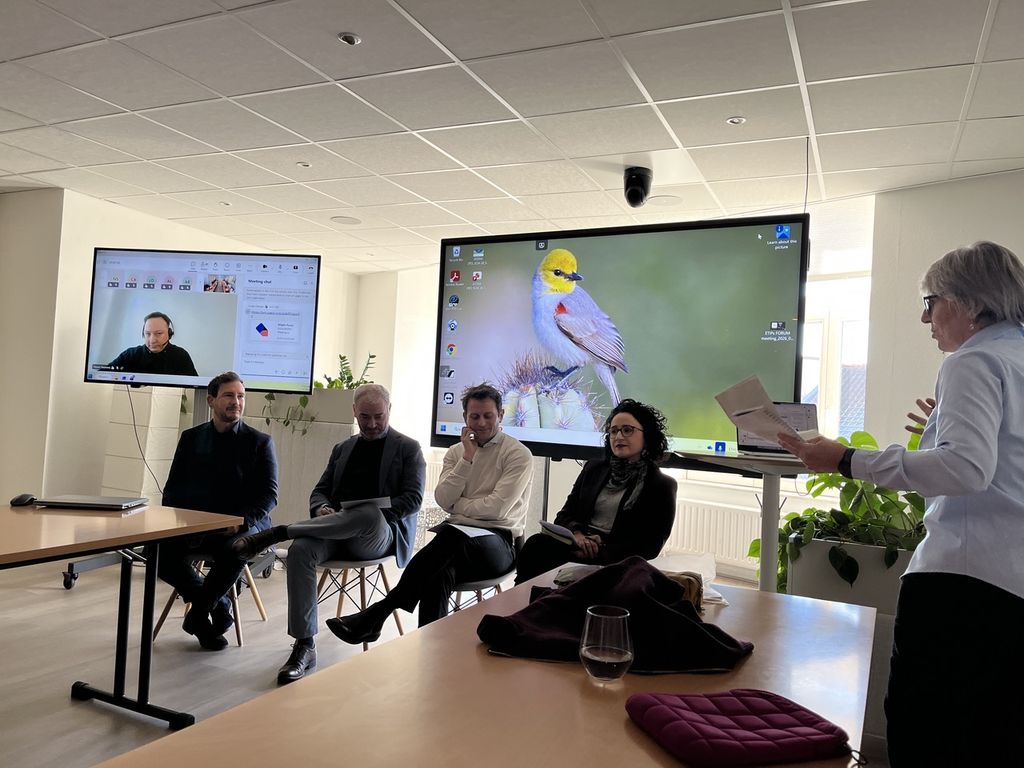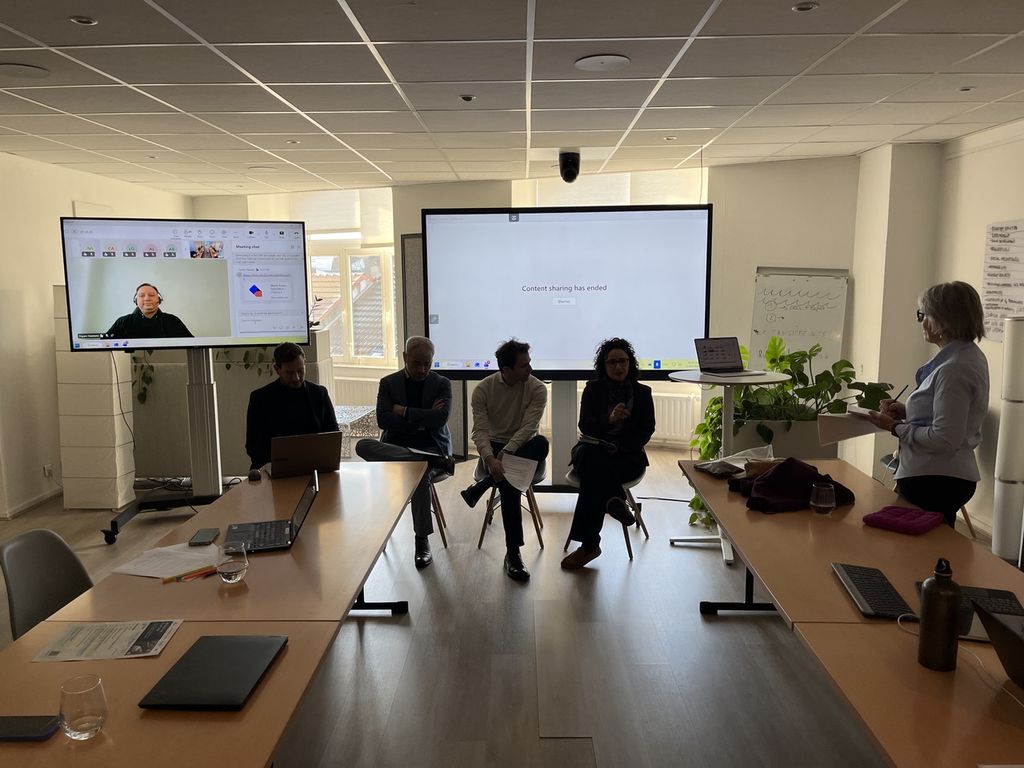
Partners, manufacturers and EU policymakers met to discuss how to turn Europe’s battery R&I excellence into competitive industrial production.
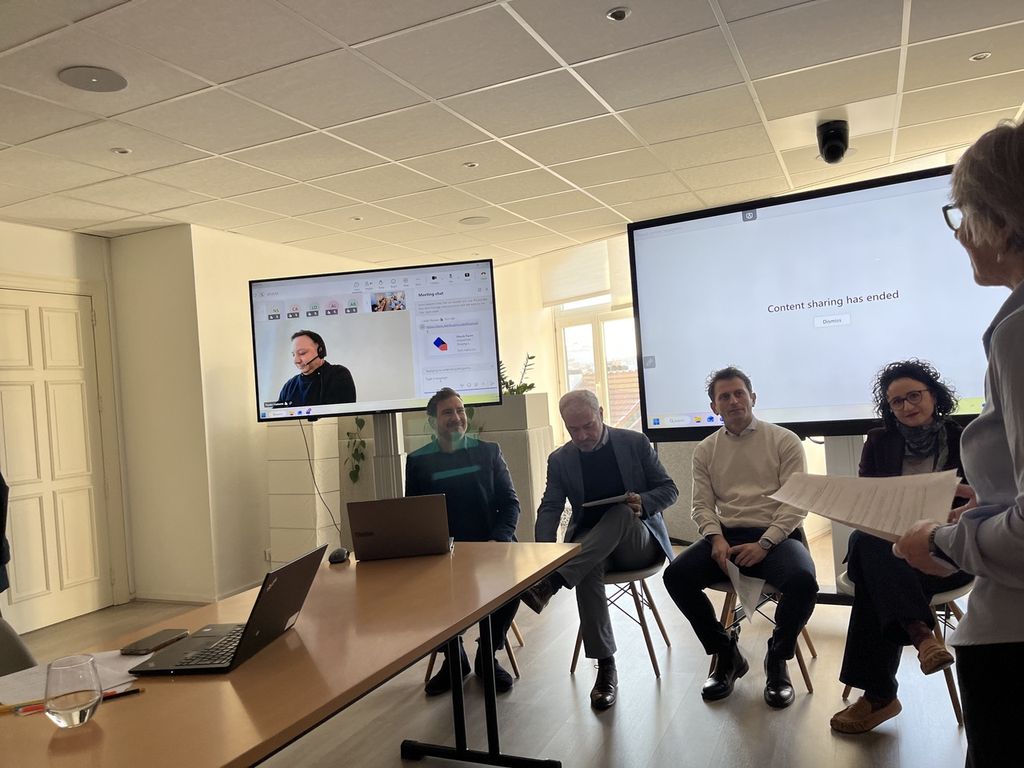
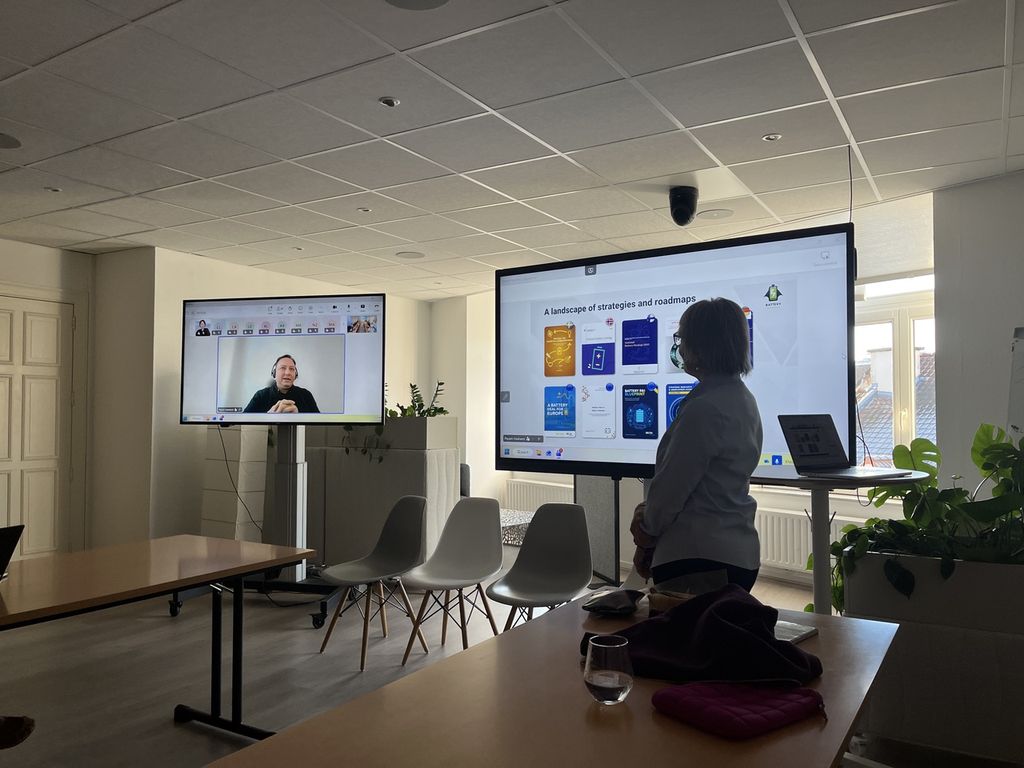
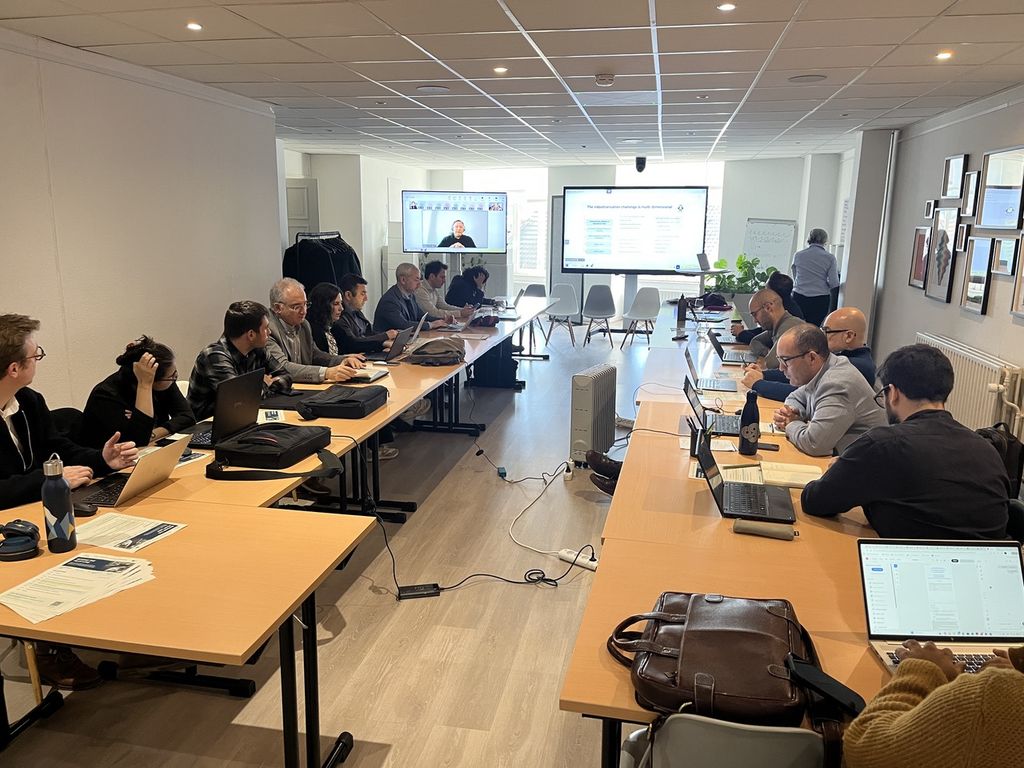
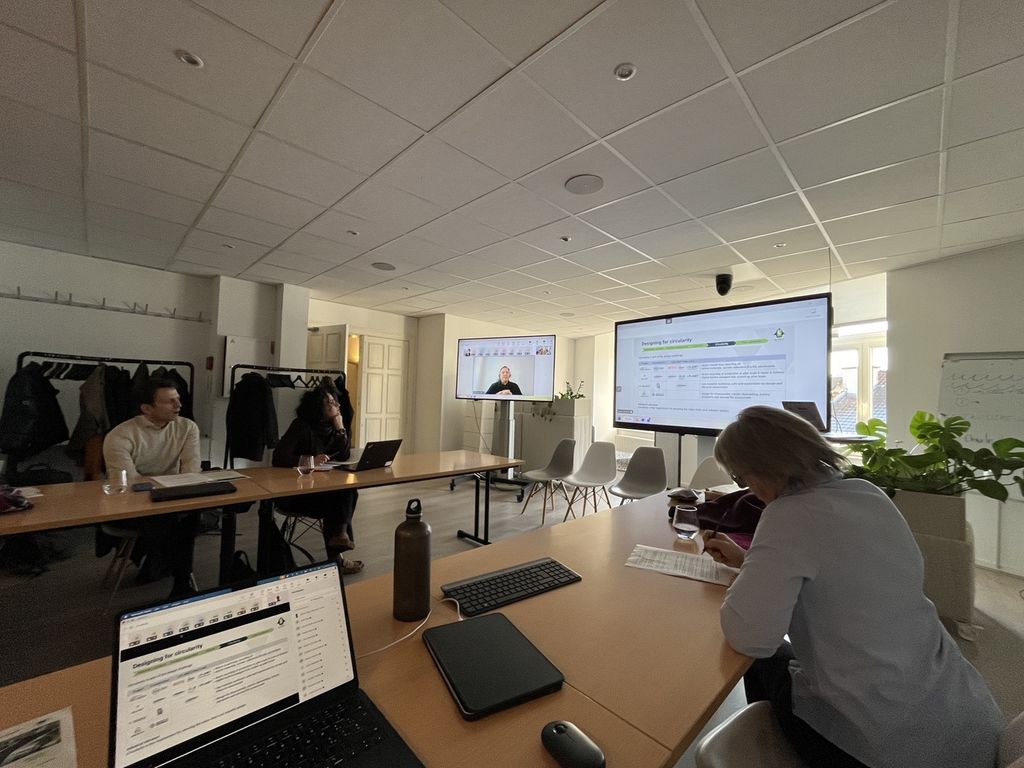
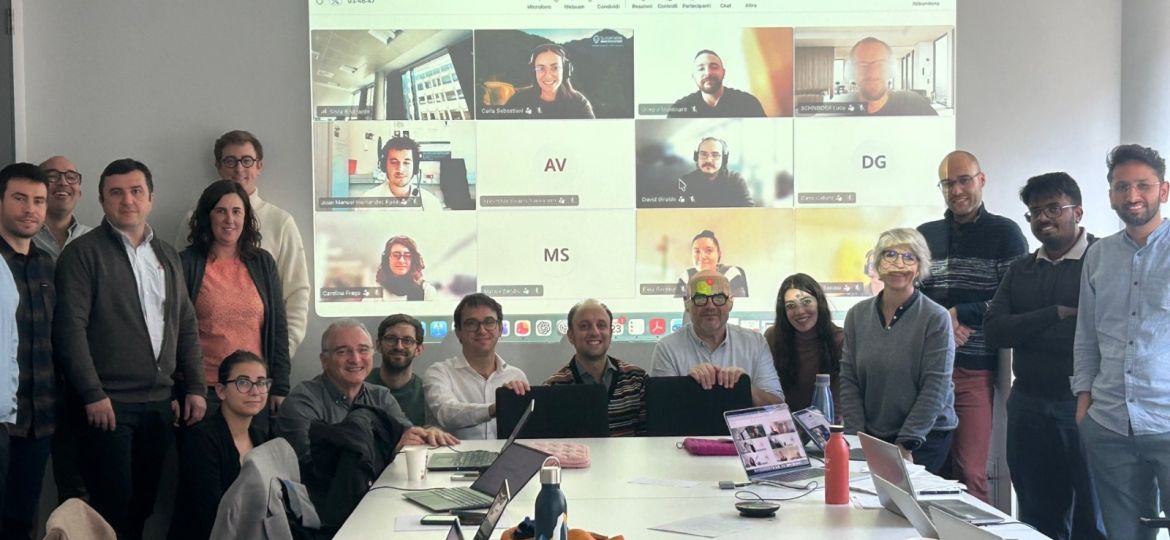
After more than four years of joint work, the GIGAGREEN consortium has reached the end of its journey. Partners met for the project’s final General Assembly [on XX November / in Brussels] and then held the GIGAGREEN Final Workshop & EU Policy Dialogue, “Beyond the Pilot Line: Shaping a Manufacturing Agenda for European Batteries”, on 24 November 2026 at the EERA office in Brussels. The workshop was also streamed online.
Final General Assembly
At the final General Assembly, partners [reviewed the project’s final results, closed the remaining technical and administrative work, and discussed exploitation and next steps beyond the project]. The meeting marked the formal close of a collaboration that has brought together research centres, industry and technology providers across Europe.
A clear message: Europe needs to manufacture
The final workshop brought together project partners, battery manufacturers and EU institutions for a morning of discussion on the future of European battery production.
The Joint Research Centre (JRC) opened the programme by setting the scene on where European battery manufacturing stands today. The GIGAGREEN team then presented the project’s results. This was followed by a session on manufacturing projects in the Battery Heroes cluster.
A high-level roundtable with DG RTD, BEPA, EERA, BattBridge and LiPlanet explored how to move from excellent R&I to competitive production. An industry reality check with Avesta, Nanomakers, Umicore, Solvionic and COMAU then looked at what is still holding back competitive manufacturing in the EU. The morning ended with a prioritisation exercise for the manufacturing agenda and a response from the European Commission on reflections and next steps.
One message came through clearly: Europe needs to manufacture. To do so, it must support innovation along the whole chain, from fundamental research to pilot lines and industrial implementation. Participants also showed strong interest in high-value-added battery applications. These are areas where Europe can compete through performance, safety, sustainability and specialised manufacturing know-how.
What GIGAGREEN has demonstrated
During the workshop, the consortium presented the project’s main results:
- High-voltage cells based on European materials
- Aqueous electrode processing
- First successful steps in dry electrode processing
- Non-flammable electrolyte solutions
- Development of a Digital Twin for cell manufacturing
- Scale-up at pilot-line level
- Strong sustainability gains across the process
“Industrial readiness is cumulative. We should not reset the learning curve at the end of every project,” said [Name, role, organisation].
Thank you
GIGAGREEN thanks all the speakers and industrial contributors who enriched the discussion, and all project partners for more than four years of intense work and collaboration.